
regulatory · compounding · shortage list · GLP-1
Tirzepatide off the FDA shortage list: what it means for compounded copies
FDA declared the tirzepatide injection shortage resolved in December 2024. The compounded-tirzepatide landscape changed materially over the following year — but the regulatory geometry is more nuanced than 'compounding is now banned.'
· Updated May 7, 2026 · ProPeptideGuide editorial
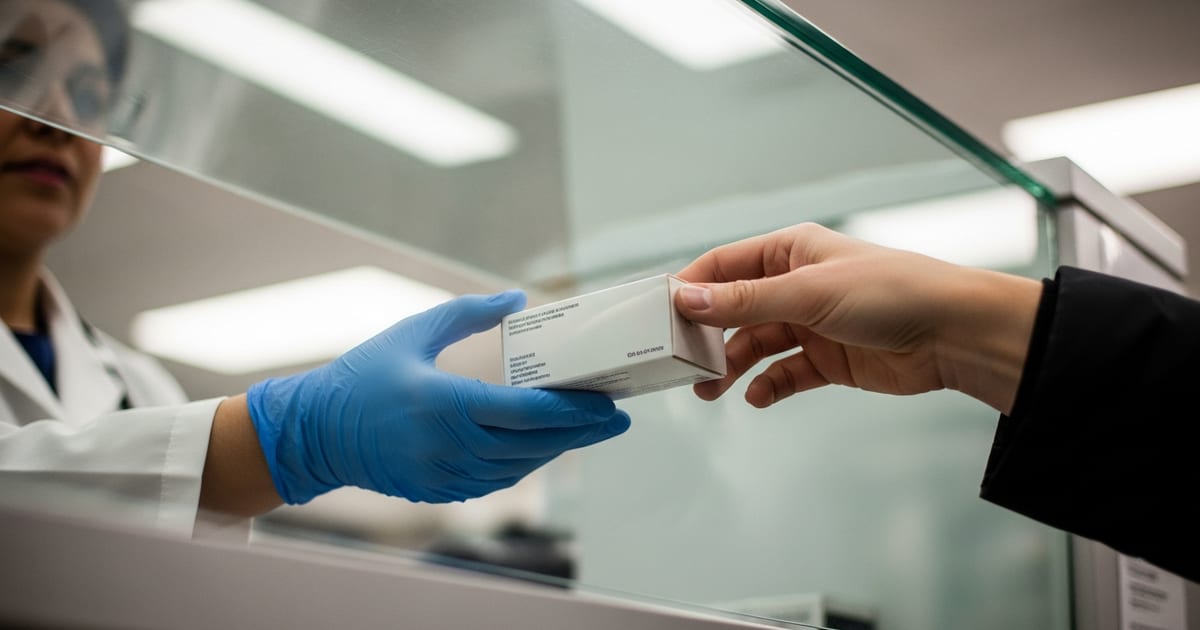
In October 2024 FDA declared that the tirzepatide injection shortage was resolved. After a brief reconsideration — and a related court challenge — FDA confirmed the resolved status on December 19, 2024. Eighteen months later, the practical compounded-tirzepatide landscape is substantially different. Routine compounded tirzepatide is no longer broadly available through 503B outsourcing facilities. State-licensed 503A compounding remains constrained by FDA’s policy on essentially copied versions of commercially available products. And FDA proposed, on April 30, 2026, to formally exclude semaglutide, tirzepatide, and liraglutide from the 503B bulks list — a determination still pending public comment.
The shortage-list mechanism
When a drug appears on FDA’s drug shortage list, an enforcement discretion is opened: 503B outsourcing facilities can compound from bulk substances even when those substances are not on the 503B bulks list, subject to specific conditions. When the shortage resolves, the enforcement-discretion period closes. For tirzepatide, the 503B enforcement-discretion period ended March 19, 2025; 503A pharmacies and physicians had a separate enforcement-discretion endpoint earlier in the year.
This is not a ban on compounding tirzepatide. It is a return to the ordinary rule: a 503B facility may compound from a bulk substance only if the substance appears on the 503B bulks list or the compounded drug appears on the shortage list at the relevant time. Tirzepatide is on neither.
The “essentially a copy” rule for 503A
For 503A pharmacies, the question is different. FDA policy restricts compounding that is regularly or inordinately an essentially copied version of a commercially available drug. A compounded drug may be considered essentially a copy when it has the same active ingredient in the same, similar, or easily substitutable strength, intended for the same route of administration — unless a prescriber documents that a change produces a significant difference for an identified individual patient.
In practice this means that 503A pharmacies cannot routinely produce something that is functionally a generic Mounjaro or Zepbound. Where state-licensed compounding is still occurring, the documented clinical-difference standard is doing significant work, and the line between defensible and indefensible compounding gets walked prescription by prescription.
What changes with the proposed 503B exclusion
On April 30, 2026 FDA proposed to formally exclude semaglutide, tirzepatide, and liraglutide from the 503B bulks list. The proposal’s substance is short: FDA finds no clinical need for outsourcing facilities to compound these drugs from bulk substances.
If finalized, the exclusion would close the most plausible future pathway for 503B-scale compounded GLP-1 production — a future return to the shortage list, or future placement on the 503B bulks list — by making the latter unavailable as a matter of policy. The public comment period closed June 29, 2026; final FDA action is expected later in the year.
What this means for readers
Three concrete implications:
-
Compounded tirzepatide marketed as a generic equivalent of Mounjaro or Zepbound is not a 503B-permitted product at the moment, because tirzepatide is neither on the shortage list nor on the 503B bulks list. Products marketed this way warrant skepticism.
-
The 503A pathway has not been closed, but it has been constrained. A 503A pharmacy filling a tirzepatide prescription must satisfy the essentially-a-copy standard. That standard contemplates genuine, individualized clinical differences, not standardized commercial substitution.
-
The international picture is unchanged. Tirzepatide is approved in the EU, UK, Canada, and Australia under the Mounjaro brand; readers in those jurisdictions access tirzepatide through ordinary prescription channels. Cross-border importation does not create a US compliant pathway.
The tirzepatide reference page on ProPeptideGuide tracks each of these inputs. The next regulatory inflection point is the FDA final determination on the 503B bulks-list exclusion proposal.
Referenced peptides
Open the map →