
international · regulatory · access
Peptide tourism: where Americans are traveling to access peptides legally
A wellness-travel category that didn't exist as a category five years ago has become a fixture of TikTok and a recurring story in mainstream press. The map of where it actually works — and where it carries real risk — is more constrained than the social posts suggest.
· Updated May 7, 2026 · ProPeptideGuide editorial
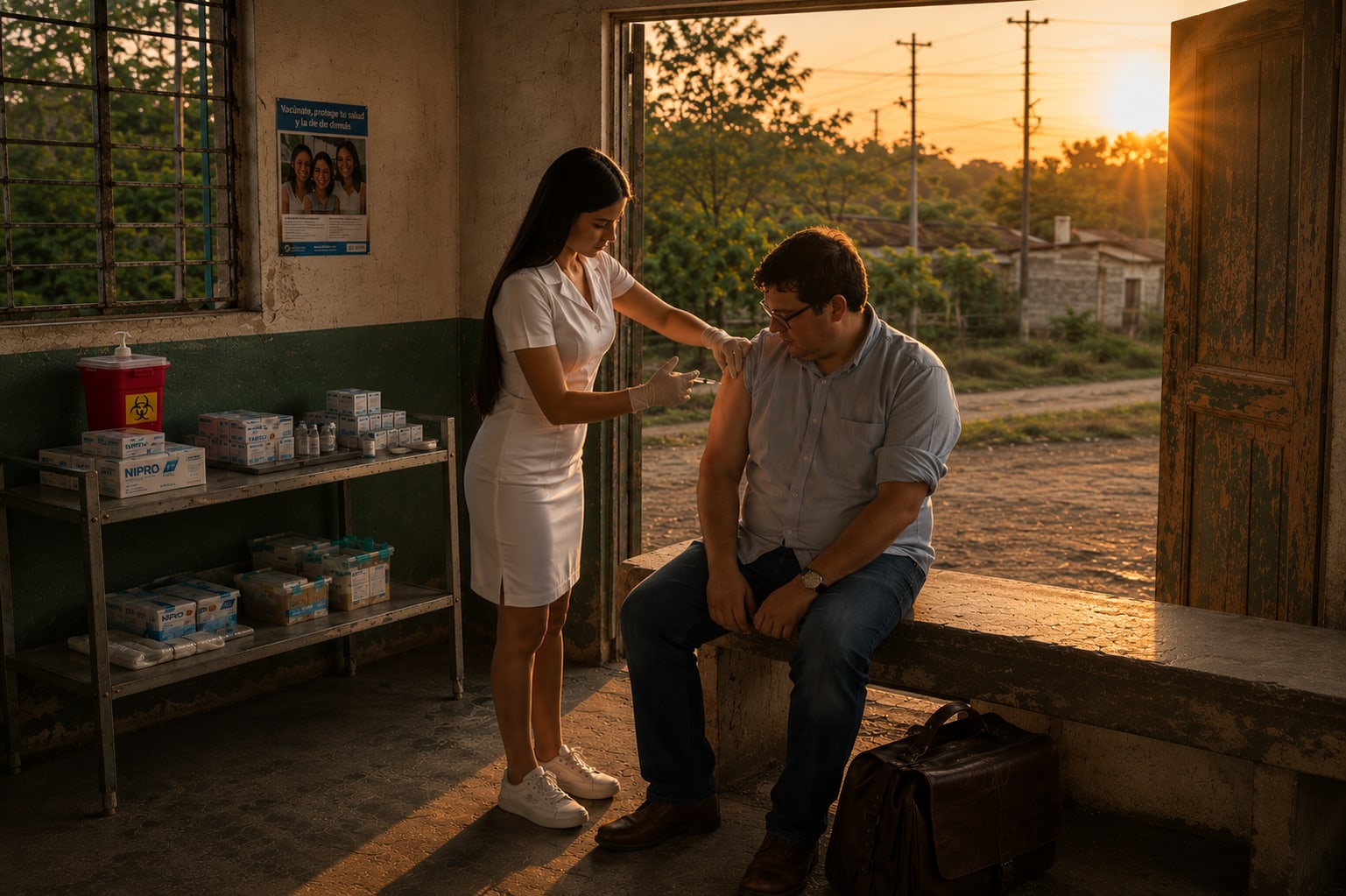
A travel category that did not exist as a category five years ago has emerged: people flying to specific countries because particular peptides are available there as prescription drugs and not in the United States. Some of this is straightforward — Americans crossing into Mexico for cheaper Mounjaro is not particularly different from Americans crossing into Mexico for cheaper insulin, which has happened for decades. Other parts of the picture are murkier and the legal geometry rewards careful reading.
This is the map worth carrying. Sources are linked on each peptide page.
- 6+ lawful peptides
- 4–5
- 2–3
- 1
- No data
"Lawful" counts peptides where ProPeptideGuide has identified a prescription, compounded, or full marketing-authorization pathway in that jurisdiction. EU member states share centralized EMA approvals via the EEA agreement; specific national authorizations (e.g. Cerebrolysin in Austria, Thymosin alpha-1 in Italy) are layered on top.
How it shows up online
The travel-to-access pattern is widely documented across TikTok and mainstream reporting. Four of the most-circulated voices on the demand and supply sides of the conversation —
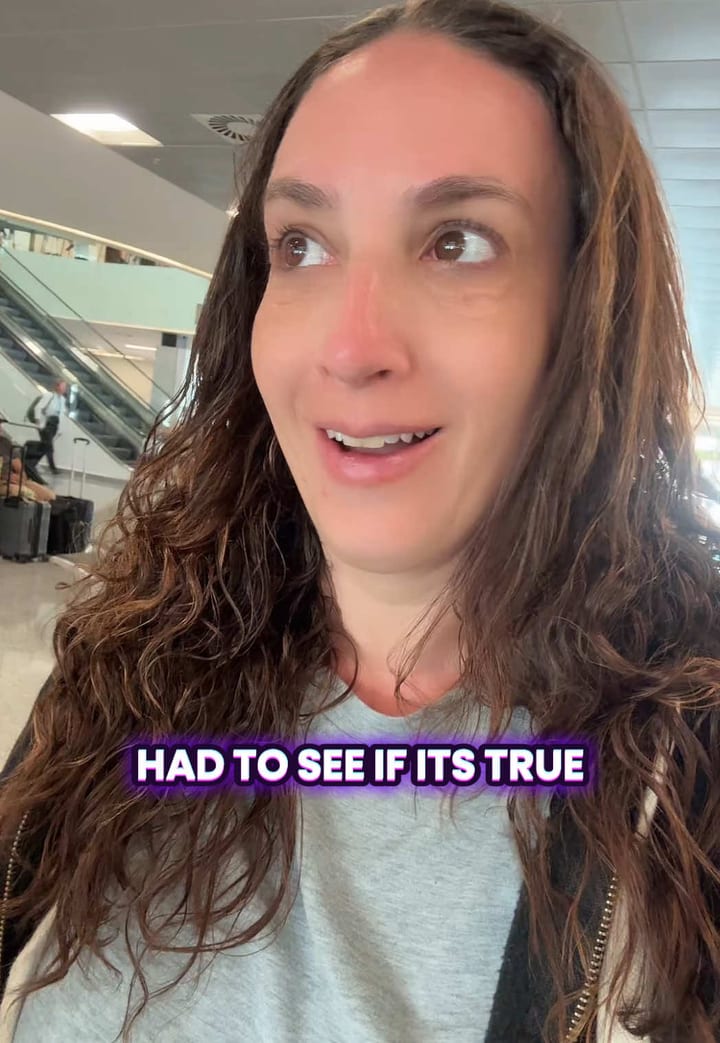
Yup it’s true….you can get your G L P 1 - o zempic before you jump on the plane heading back from Cabo México.
Watch on TikTok →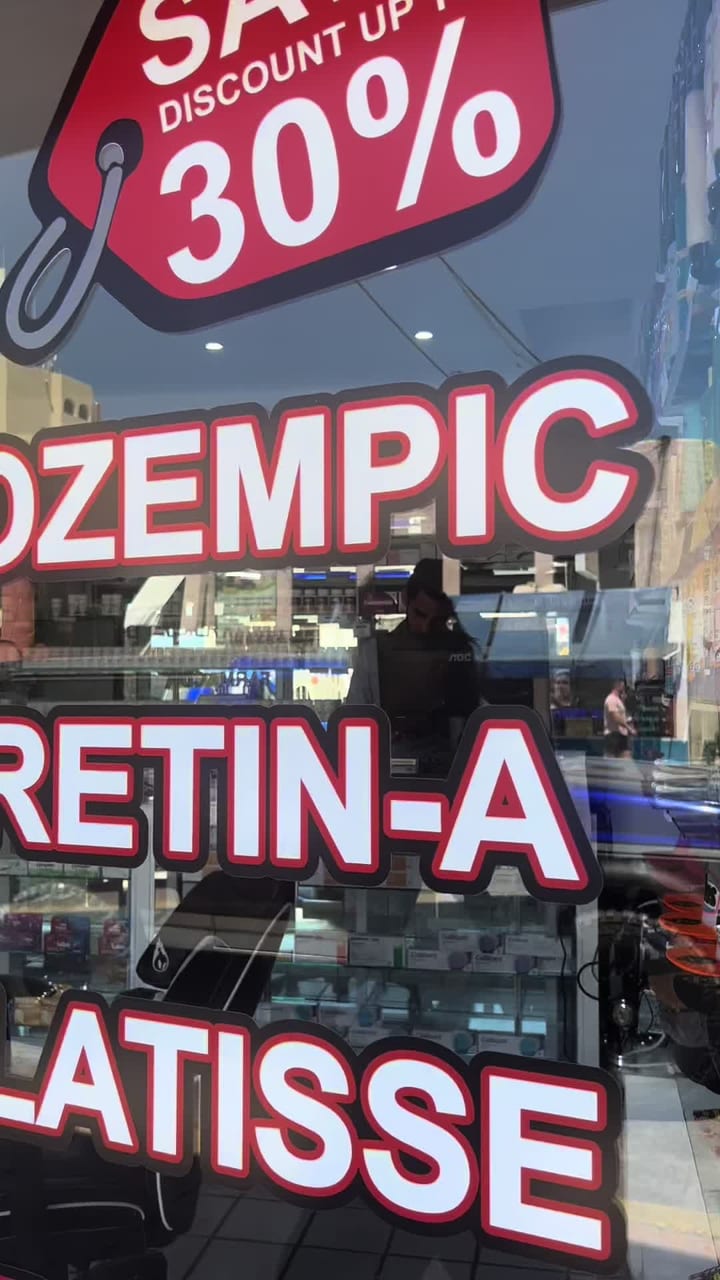
Mexico having ozempic at every corner was TESTING me
Watch on TikTok →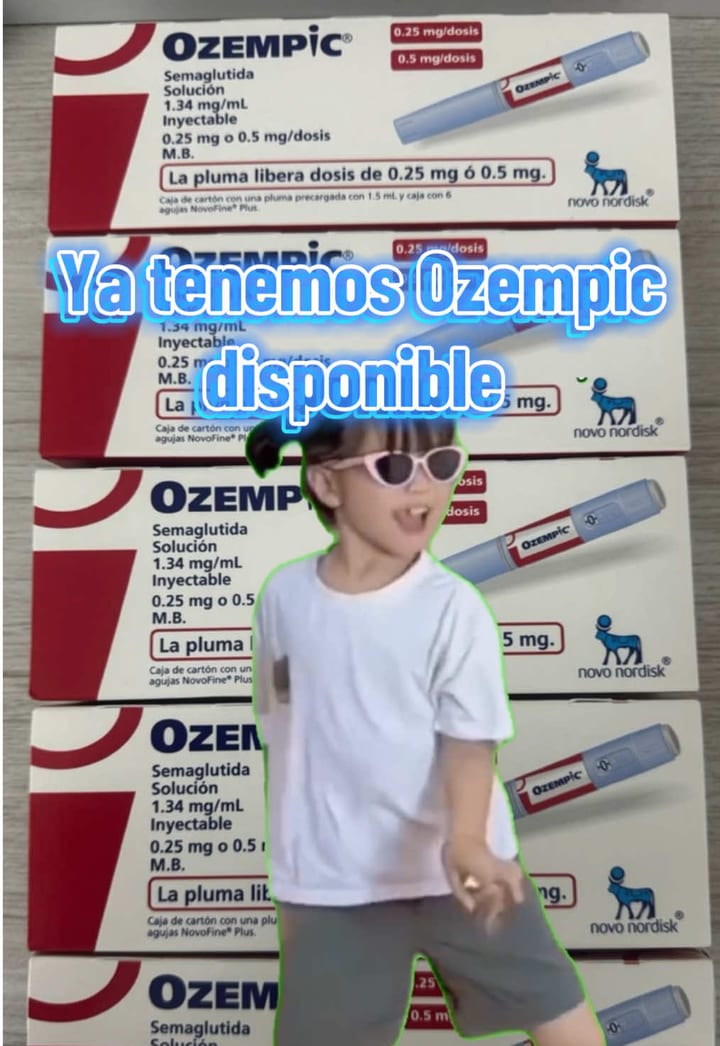
Ya podrás encontrar Ozempic en nuestra farmacia especializada en enfermedades metabólicas y obesidad 👨🏻⚕️ BariatricUs ✅ en Hermosillo, Sonora
Watch on TikTok →
Have y’all heard of this? @thetodayshow did a report on ozempic face today and I never heard of that side effect. They also talked about obesity and diabetes.
Watch on TikTok →The first two clips document the demand side from US travelers — @abbythebadassmom explaining that “you can get your GLP-1 — Ozempic — before you jump on the plane heading back from Cabo, México,” and @arianamedinaxx on how casually these drugs appear in Mexican retail (“Mexico having ozempic at every corner was testing me”). The third is the supply side: Dr. Quiroz Guadarrama in Hermosillo, Sonora, publicly announcing that his specialty pharmacy now stocks Ozempic (“Ya tenemos Ozempic disponible”). @tinahurban documents an adjacent strand of the same conversation — the “Ozempic face” side-effect discussion that sustains the cultural attention around these drugs in the first place. All four use the same platform to advertise the same trade.
The pattern these clips describe is also the framing in mainstream press. NewsNation and the American Society of Registered Nurses journal have both covered the cross-border GLP-1 trade as a documented phenomenon, with reported price differentials of roughly 70% versus US retail. Fortune’s reporting on the broader US-side TikTok ecosystem highlights the role of affiliate-funded creator content in normalizing access — distinct from the cross-border travel pattern but adjacent to it on the same feeds.
I really got involved with this company to absolutely help people who just weren't able to get it from their doctors or their insurance.
Public discourse reflects the views of the speakers cited above. Embedding these clips is editorial documentation of a real-world phenomenon, not endorsement of any particular cross-border purchase or affiliate program. The clinical questions about each drug live on its peptide page; the legal questions live below.
What the underlying regulatory pattern looks like
Peptides fall into several buckets when seen from the US side:
-
Globally approved drugs that happen to be cheaper or available generic elsewhere. Semaglutide and Tirzepatide are FDA-approved here under Ozempic / Wegovy and Mounjaro / Zepbound; they are also approved across the EU, UK, Canada, Australia, and Japan, and Canada became the first G7 country to approve generic semaglutide in April 2026. This is the most boring, least-risky kind of peptide tourism: lawful in both jurisdictions, just cheaper somewhere else.
-
Drugs approved abroad but not in the US. Cerebrolysin is the cleanest example — authorized by the Austrian regulator BASG, manufactured by EVER Neuro Pharma, and registered as a prescription drug across Russia, China, and several Eastern European countries for cerebrovascular and dementia indications. It has no central EMA marketing authorization and is not registered with FDA. A US patient prescribed Cerebrolysin in Austria or Germany on a lawful local prescription has accessed an approved drug in that jurisdiction. They have not solved the importation question.
-
Russian-pathway nootropic peptides. Selank and Semax are approved as prescription nootropics in Russia and several CIS countries; both are unapproved in every major Western jurisdiction. The “tourism” here usually involves obtaining a prescription in Russia and bringing back a small personal supply — a chain that depends on Russian pharmacies’ willingness to dispense to non-residents and on the receiving country’s customs and drug-importation rules, which are not consistent.
-
Approved drugs with national-only EU approvals. Thymosin alpha-1 (Zadaxin) is approved by national regulators in Italy and several other EU member states for chronic hepatitis B and C, has been registered in China since 1996, and was authorized in India in 2001 — but it is unapproved by FDA. Italy is the country most often cited as a destination by patients who want a prescriber-supervised course rather than a research-chemical purchase.
-
Substances banned or warned-against everywhere. Melanotan II is the canonical case — Ireland (HPRA), Australia (TGA), and the UK (MHRA) have all issued public warnings, and there is no jurisdiction where it is lawful to dispense for tanning. Peptide tourism for this class is not a regulatory geography problem. It is a “no compliant pathway exists anywhere” problem.
What people should not assume
Three editorial points worth making explicit, because the marketing doesn’t:
-
A foreign prescription does not authorize re-importation into the US. The FDA’s personal-importation policy is a discretionary non-enforcement framework with documented limits. It applies to small quantities of certain unapproved drugs for personal use of serious-condition treatment. It does not generally apply to drugs that are available in the US (e.g., bringing Mounjaro back from Mexico). It explicitly does not legitimize importation of drugs FDA has flagged for safety risk.
-
**“Approved in Country X” does not equal “safe everywhere identically.” Local manufacturing standards, pharmacovigilance systems, and supply-chain integrity vary. EMA-authorized products have an inspectable manufacturing trail. National-authority products from smaller markets may not. Cerebrolysin from EVER Neuro Pharma in Austria is not the same risk profile as Cerebrolysin purchased online from an opaque vendor claiming to ship from Eastern Europe.
-
**Telehealth platforms claiming to “ship internationally” rarely provide the regulatory benefit of a foreign-approved product. If the dispensing pharmacy is not licensed in the patient’s jurisdiction, the prescription is not enforceable, and the product’s quality controls are whatever the platform self-reports. This is closer to research-chemical purchasing than to peptide tourism.
Where the legitimate pathway is
For a US patient whose interest in a non-US-approved peptide is serious, three options preserve regulatory cover:
-
Travel to a jurisdiction where the drug is approved, see a licensed prescriber there, and complete the course under that jurisdiction’s medical supervision. This is the “tourism” model in its honest form. Cerebrolysin in Austria or Germany; Thymosin alpha-1 in Italy.
-
Enroll in a clinical trial. Clinical trials registered in the US for investigational peptides like Retatrutide, Survodutide, and Cagrilintide provide the only lawful US-side path to access pre-approval compounds.
-
Wait. GLP-1 development has produced four approved drugs in five years; thymosin alpha-1 has been in continuous compounding-policy review since 2024. The map is changing.
The thing peptide tourism is actually solving for is price — not science. The drugs Americans are flying to Cabo for are the same molecules they could buy at home; what’s different is the bill. The drugs Americans fly to Vienna for are real prescription medicines in that country and gray-market chemistry in this one; the difference is regulatory, not chemical. The map above shows where each line currently sits. Where to draw the personal line — and whether it’s worth a flight — is the reader’s call, made on the same evidence the prescriber uses.
Referenced peptides
Open the map →