Synthetic thymic peptide; immunomodulatory peptide
Thymosin alpha-1
Also known as Thymosin α1, Tα1, TA1, Thymalfasin, Zadaxin
Not FDA-approved in the United States. FDA's Pharmacy Compounding Advisory Committee voted against placing thymosin alpha-1 free base and acetate on the 503A bulks list in December 2024 (4 yes / 17 no). 503B Category 3.
- Immune
- Compounded · contested
- injection
- 1977

What it is
Thymosin alpha-1 is a 28-amino-acid thymic peptide originally identified from thymosin fraction 5, a preparation derived from thymic tissue[1 ,9 ]. The synthetic drug form is called thymalfasin and is known internationally by the brand name Zadaxin[1 ]. Unlike BPC-157 or TB-500, thymosin alpha-1 has a substantial human clinical literature, particularly in chronic viral hepatitis, sepsis, vaccine-response studies, and immune-modulation research[9 –18 ].
Chemical structure
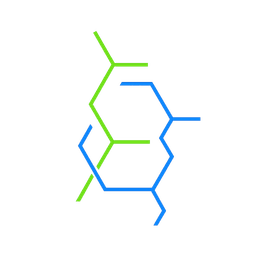
Thymosin alpha-1, also called thymalfasin, is an N-acetylated 28-amino-acid peptide with sequence SDAAVDTSSEITTKDLKEKKEVVEEAEN and molecular formula C129H215N33O55[1 ]. It is marketed as Zadaxin in some countries, but it is not FDA-approved in the United States[1 –8 ].
Mechanism
Mechanistically, thymosin alpha-1 is described as an immune modulator rather than a direct antiviral, antibiotic, or cancer drug[9 ,18 ]. Research has investigated effects on T-cell maturation and function, dendritic cells, natural killer cell activity, cytokine signaling, and antigen presentation[9 ,18 ]. These immune effects are the rationale behind studies in chronic hepatitis B and C, vaccine-response augmentation, sepsis-associated immune dysfunction, COVID-19, and oncology-adjunct settings[10 –18 ].
Heterogeneous evidence base
The clinical evidence base is broader than for many research peptides, but it is also heterogeneous. Studies differ by country, indication, disease stage, concurrent antiviral or antimicrobial therapy, endpoints, and era of standard care[10 –18 ]. For example, hepatitis C studies conducted during the interferon era are not directly applicable to modern direct-acting antiviral therapy. COVID-19 studies conducted early in the pandemic are not directly applicable to current variants, vaccination status, and contemporary antiviral or immunomodulatory care.
Internationally, thymalfasin has been approved in multiple countries for indications such as hepatitis B or immune-adjunctive use, but international marketing does not equal US approval[1 ,8 ]. FDA’s December 2024 compounding review evaluated thymosin alpha-1 free base and thymosin alpha-1 acetate for numerous proposed uses, including viral hepatitis, HIV, COVID-19, vaccine response, cancers, sepsis, post-transplant infections, COPD, and ME/CFS[7 –8 ].
In the United States, thymosin alpha-1 is not an FDA-approved drug product, and FDA’s advisory committee voted against placing both thymosin alpha-1 free base and acetate on the 503A bulks list[7 –8 ]. This page describes research and regulatory status only.
Regulatory status
Thymosin alpha-1 is not FDA-approved in the United States for any indication. PubChem identifies thymalfasin and Zadaxin as synonyms, but substance identity does not establish US approval[1 ]. No FDA-approved US thymalfasin label was identified in FDA materials reviewed for this draft.
503A bulks-list status — PCAC vote
Under section 503A, state-licensed pharmacies and physicians may compound using a bulk drug substance only if the substance complies with an applicable USP/NF monograph, is a component of an FDA-approved drug product if no monograph exists, or appears on FDA’s 503A bulks list[2 ]. FDA’s December 4, 2024 PCAC reviewed thymosin alpha-1 free base and thymosin alpha-1 acetate for a long list of proposed uses, including hepatitis B, hepatitis C, HIV, COVID-19, vaccine response, malignancies, sepsis, infections after hematopoietic stem cell transplantation, COPD, and ME/CFS[7 ].
The PCAC voted against 503A inclusion. For thymosin alpha-1 free base, the vote was 4 yes, 17 no, and 0 abstentions on whether it should be placed on the 503A bulks list[7 ]. For thymosin alpha-1 acetate, the vote was also 4 yes, 17 no, and 0 abstentions[7 ]. The minutes state that the majority voted against free base because there was no compelling evidence demonstrating clinical effectiveness and safety in the reviewed uses, and against acetate due to lack of convincing effectiveness data[7 ].
503B Category 3
For 503B outsourcing facilities, FDA’s March 21, 2025 nominated-substances category PDF lists thymosin alpha-1 in Category 3, meaning it was nominated without adequate support for FDA to evaluate it under the interim policy[5 ]. Category 3 substances are not eligible for the interim enforcement policy that applies to Category 1 substances[4 –5 ]. FDA’s safety-risk page also lists thymosin-alpha 1 among withdrawn nominated substances and states that compounded drugs containing it may pose immunogenicity and peptide-impurity/API-characterization risks, and that available safety-related information is inadequate for FDA to understand the extent of safety issues[6 ].
Controlled-substance and international status
Thymosin alpha-1 was not identified as a controlled substance under 21 CFR Part 1308 as reviewed for this draft[19 ]. Lack of DEA scheduling does not make it FDA-approved or legally available for routine human-use compounding. International approvals are summarized in the International availability section below. Date of last regulatory verification: May 5, 2026.
Research summary
Chronic hepatitis B
Chronic hepatitis B is one of the better-studied areas. Chien and colleagues randomized 98 patients with chronic hepatitis B to 26 weeks of thymosin alpha-1, 52 weeks of thymosin alpha-1, or observation[10 ]. At 18 months after entry, complete virological response was higher in the 26-week thymosin alpha-1 group than in controls, while no responders lost hepatitis B surface antigen[10 ]. The study reported no significant side effects[10 ]. These findings are clinically relevant but predate much of modern HBV antiviral management.
Additional hepatitis B studies examined thymosin alpha-1 against interferon or in combination with nucleoside analog therapy[11 –12 ]. Lee and colleagues randomized 67 HBeAg-positive chronic hepatitis B patients to lamivudine plus thymosin alpha-1 or lamivudine monotherapy and found higher HBeAg seroconversion at 24 weeks in the combination group, but the difference was no longer statistically significant at 52 weeks[12 ]. These findings suggest immune-modulatory activity but do not establish thymosin alpha-1 as current US-standard care.
Chronic hepatitis C — interferon era
Chronic hepatitis C studies largely belong to the interferon era. Andreone and colleagues randomized 41 treatment-naive chronic hepatitis C patients to interferon-alpha plus thymosin alpha-1 or interferon-alpha alone[13 ]. The combination improved end-of-treatment virological response, but sustained response at six-month follow-up did not significantly differ between groups[13 ]. Because direct-acting antivirals transformed hepatitis C treatment, older interferon-era findings should not be applied to modern HCV care without context.
Sepsis
Sepsis research is more active but not definitive for US practice. The ETASS trial randomized patients with severe sepsis in six Chinese tertiary teaching hospitals to thymosin alpha-1 or control and evaluated 28-day all-cause mortality and immune-function markers[14 ]. Systematic reviews and meta-analyses have reported mortality reductions across Chinese randomized trials, but they also emphasize study-design limitations, heterogeneity, and the need for robust evidence[15 –16 ]. Thymosin alpha-1 is not part of standard US sepsis guidelines as of this review date.
Vaccine response
Vaccine-response research includes an older randomized, double-blind, placebo-controlled study in elderly men receiving influenza vaccination[17 ]. Gravenstein and colleagues studied 90 men aged 65 to 99 years and evaluated whether thymosin alpha-1 increased antibody response to trivalent influenza vaccine[17 ]. The trial reported immune-response findings without observed toxicity, supporting the immune-adjuvant rationale but not establishing a broad vaccine-enhancement indication in the United States[17 ].
COVID-19
COVID-19 research is mixed and context-dependent. A phase 3 randomized placebo-controlled study in moderate-to-severe COVID-19 reported lower mortality in the thymosin alpha-1 arm among severe patients[21 ]. Divatia’s accompanying editorial described the mortality result as fragile and hypothesis-generating, emphasizing that thymosin alpha-1 should be used in clinical-trial context before routine recommendation for COVID-19[20 ]. Later systematic reviews evaluated observational and trial data, but pandemic-era results depend heavily on variant, vaccination, baseline care, and patient selection[22 –23 ].
Where the evidence ends
Overall, thymosin alpha-1 has a much larger human evidence base than many wellness peptides, but the evidence is not the same as FDA approval. It has been studied for immune modulation in viral hepatitis, sepsis, vaccine response, COVID-19, and oncology-adjunct contexts. FDA’s PCAC nevertheless voted against 503A bulks-list inclusion for the reviewed uses, and ProPeptideGuide should not imply a current compliant US prescribing pathway[7 ].
Public discourse
The FDA Pharmacy Compounding Advisory Committee considered thymosin alpha-1 free base and acetate for multiple proposed uses on December 4, 2024 and voted against 503A inclusion[7 ].
lack of convincing effectiveness data
Jigeeshu V. Divatia, MD, critical care physician, urged caution in interpreting early COVID-19 findings[20 ].
Look before You Leap!
Dominique Fradin-Read, MD, was reported as promoting thymosin alpha-1 for COVID-19 early in the pandemic[24 ]. This is an example of a public claim, not a verified clinical conclusion.
one of the best ways to prevent and fight COVID-19
Leigh Turner, PhD, bioethicist at the University of Minnesota, criticized physician-driven misinformation around unproven COVID-19 products[24 ].
major sources of misinformation
Public discourse reflects the views of the speakers cited and does not represent medical advice or the editorial position of ProPeptideGuide.
Side effects and safety
Thymosin alpha-1 lacks an FDA-approved US label, so there is no FDA-reviewed US prescribing information establishing contraindications, common adverse reactions, drug interactions, pregnancy safety, or monitoring requirements[2 –8 ].
Tolerability in clinical trials
In individual clinical trials, thymosin alpha-1 was often reported as well tolerated. Chien and colleagues reported no significant side effects in the chronic hepatitis B trial[10 ]. Gravenstein and colleagues reported no toxicity in the influenza-vaccine adjunct study[17 ]. These findings are reassuring within their study contexts but do not create a US-approved safety profile.
FDA compounding safety-risk concerns
FDA’s compounding safety-risk page states that compounded drugs containing thymosin-alpha-1 may pose significant immunogenicity risk for certain routes and may have complexities related to peptide impurities and active pharmaceutical ingredient characterization[6 ]. FDA also states that available safety-related information is inadequate for the agency to understand the extent of safety issues raised by proposed compounded products[6 ].
Mechanism-based concerns
Immune modulation creates theoretical concerns. A compound that affects T-cell, dendritic-cell, cytokine, or innate immune responses may behave differently depending on infection status, autoimmune disease, malignancy, transplant status, immunosuppressive therapy, pregnancy, or concurrent biologic drugs. Published trials do not answer every safety question for outpatient wellness or off-label immune-boosting use.
Product quality
Product quality is a separate risk. Internationally marketed thymalfasin products and US grey-market or compounded products are not interchangeable. Identity, sterility, endotoxin controls, excipients, salt form, route, and pharmacy compliance can materially affect safety.
Available through
Thymosin alpha-1 is not currently available through routine FDA-compliant prescription or compounding channels in the United States as of 2026-05-05[2 –8 ]. It is not FDA-approved, FDA’s PCAC voted against 503A bulks-list inclusion for free base and acetate, and FDA’s 503B category list places thymosin alpha-1 in Category 3 rather than a category eligible for interim enforcement discretion[5 ,7 ].
ProPeptideGuide does not link to or endorse grey-market vendors, research-chemical sellers, imported thymalfasin products, online peptide shops, or clinics advertising thymosin alpha-1 for immune boosting, COVID-19, cancer, chronic fatigue, or anti-aging use.
Frequently asked questions
Is thymosin alpha-1 FDA-approved?
Is thymosin alpha-1 approved outside the United States?
Can thymosin alpha-1 be legally compounded in the United States?
What has thymosin alpha-1 been studied for?
Does thymosin alpha-1 treat hepatitis B?
Does thymosin alpha-1 treat COVID-19?
Is thymosin alpha-1 safe?
Is thymosin alpha-1 a controlled substance?
References
- National Center for Biotechnology Information. PubChem Compound Summary for Thymalfasin, CID 16130571 . Accessed 2026-05-05 . Source
- U.S. Food and Drug Administration. Bulk Drug Substances Used in Compounding Under Section 503A of the FD&C Act . Content current as of 2026 . Source
- U.S. Food and Drug Administration. Bulk Drug Substances Nominated for Use in Compounding Under Section 503A . Updated April 22, 2026 . Source
- U.S. Food and Drug Administration. Bulk Drug Substances Used in Compounding Under Section 503B of the FD&C Act . Content current as of January 7, 2025 . Source
- U.S. Food and Drug Administration. Bulk Drug Substances Nominated for Use in Compounding Under Section 503B . Updated March 21, 2025 . Source
- U.S. Food and Drug Administration. Certain Bulk Drug Substances for Use in Compounding that May Present Significant Safety Risks . Content current as of April 22, 2026 . Source
- U.S. Food and Drug Administration. Summary Minutes of the Pharmacy Compounding Advisory Committee Meeting, December 4, 2024 . Source
- U.S. Food and Drug Administration. Thymosin Alpha-1-Related Bulk Drug Substances Transcript, December 4, 2024 PCAC Meeting . Source
- Garaci E. From thymus to cystic fibrosis: The amazing life of thymosin alpha 1 . Expert Opin Biol Ther . 2018;18(sup1):9-11 . doi:10.1080/14712598.2018.1484447
- Chien RN, Liaw YF, Chen TC, Yeh CT, Sheen IS. Efficacy of thymosin alpha1 in patients with chronic hepatitis B: a randomized, controlled trial . Hepatology . 1998;27(5):1383-1387 . doi:10.1002/hep.510270527 PMID: 9581695
- Zavaglia C, Severini R, Tinelli C, et al.. A randomized, controlled study of thymosin-alpha1 therapy in patients with anti-HBe, HBV-DNA-positive chronic hepatitis B . Dig Dis Sci . 2000;45(4):690-696 . doi:10.1023/a:1005431323945 PMID: 10759236
- Lee HW, Lee JI, Um SH, et al.. Combination therapy of thymosin alpha-1 and lamivudine for HBeAg positive chronic hepatitis B: a prospective randomized, comparative pilot study . J Gastroenterol Hepatol . 2008;23(5):729-735 . doi:10.1111/j.1440-1746.2008.05387.x PMID: 18410608
- Andreone P, Gramenzi A, Cursaro C, et al.. Thymosin-alpha 1 plus interferon-alpha for naive patients with chronic hepatitis C: results of a randomized controlled pilot trial . J Viral Hepat . 2004;11(1):69-73 . doi:10.1046/j.1365-2893.2003.00470.x PMID: 14738560
- Wu J, Zhou L, Liu J, et al.. The efficacy of thymosin alpha 1 for severe sepsis (ETASS): a multicenter, single-blind, randomized and controlled trial . Crit Care . 2013;17(1):R8 . doi:10.1186/cc11932 PMID: 23327199
- Liu F, Wang HM, Wang T, et al.. The efficacy of thymosin alpha 1 as immunomodulatory treatment for sepsis: a systematic review of randomized controlled trials . BMC Infect Dis . 2016;16:488 . doi:10.1186/s12879-016-1824-5 PMCID: PMC5025565
- Zheng Q, et al.. Efficacy of thymosin alpha1 for sepsis: a systematic review and meta-analysis of randomized controlled trials . Front Immunol . 2025 . Source
- Gravenstein S, Duthie EH, Miller BA, et al.. Augmentation of influenza antibody response in elderly men by thymosin alpha one. A double-blind placebo-controlled clinical study . J Am Geriatr Soc . 1989;37(1):1-8 . doi:10.1111/j.1532-5415.1989.tb01561.x PMID: 2642497
- Matteucci C, Minutolo A, Balestrieri E, et al.. Thymosin alpha 1 mitigates cytokine storm in blood cells from Coronavirus disease 2019 patients . Open Forum Infect Dis . 2021;8(1):ofaa588 . doi:10.1093/ofid/ofaa588
- 21 CFR Part 1308 — Schedules of Controlled Substances . Code of Federal Regulations . Accessed 2026-05-05 . Source
- Divatia JV. Thymosin alpha 1 for COVID-19: Look before You Leap! . Indian J Crit Care Med . 2022;26(8):892-893 . doi:10.5005/jp-journals-10071-24297 PMID: 36042755
- Shetty A, Chandrakant NS, Darnule RA, Manjunath BG, Sathe P. A double-blind multicenter two-arm randomized placebo-controlled phase-III clinical study to evaluate the effectiveness and safety of thymosin alpha 1 as an add-on treatment to existing standard of care treatment in moderate-to-severe COVID-19 patients . Indian J Crit Care Med . 2022;26(8):913-919 .
- Shang W, Zhang B, Ren Y, et al.. Thymosin alpha1 use in adult COVID-19 patients: A systematic review and meta-analysis on clinical outcomes . Int Immunopharmacol . 2023;114:109584 . doi:10.1016/j.intimp.2022.109584 PMID: 36527881
- Soeroto AY, Suryadinata H, Yanto TA, Hariyanto TI. The efficacy of thymosin alpha-1 therapy in moderate to critical COVID-19 patients: a systematic review, meta-analysis, and meta-regression . Inflammopharmacology . 2023;31(6):3317-3325 . doi:10.1007/s10787-023-01354-2 PMID: 37845598
- Vaidya A. Physicians, compounding pharmacies touting unproven drug as COVID-19 treatment . Becker's Hospital Review . October 1, 2020 . Source
International availability
Regulatory status differs by jurisdiction. Each entry below is sourced to the local regulator or pharmacopoeia and dated.
China (NMPA)
Approved drugZadaxin
Approved 1996 for chronic hepatitis B and as an immune adjuvant in cancer therapy. China is the largest commercial market for thymalfasin.
Verified May 7, 2026
Italy
Approved drugZadaxin
National authorization for chronic hepatitis B and chronic hepatitis C; not a centrally approved EMA medicine.
Verified May 7, 2026
India (CDSCO)
Approved drugZadaxin
Marketing approval granted February 2001 for chronic hepatitis B.
Verified May 7, 2026
European Union (EMA)
UnapprovedNo central EMA marketing authorization. Some member states (notably Italy) authorize Zadaxin under national pathways; there is no EU-wide approval.
EMA medicines databaseVerified May 7, 2026
ProPeptideGuide does not facilitate cross-border importation or evade local prescription requirements. This section describes regulatory status for reference; obtaining a prescription medicine requires a lawful local prescription in the relevant jurisdiction.
Continue exploring
See full map →Same regulatory status · Compounded with regulatory complexity